 Agubi Men's Health
Understanding Prostatitis: Symptoms, Prevention, and Daily Habits
A practical guide to recognizing the signs of prostatitis and what you can do every day to lower your risk and ease discomfort.
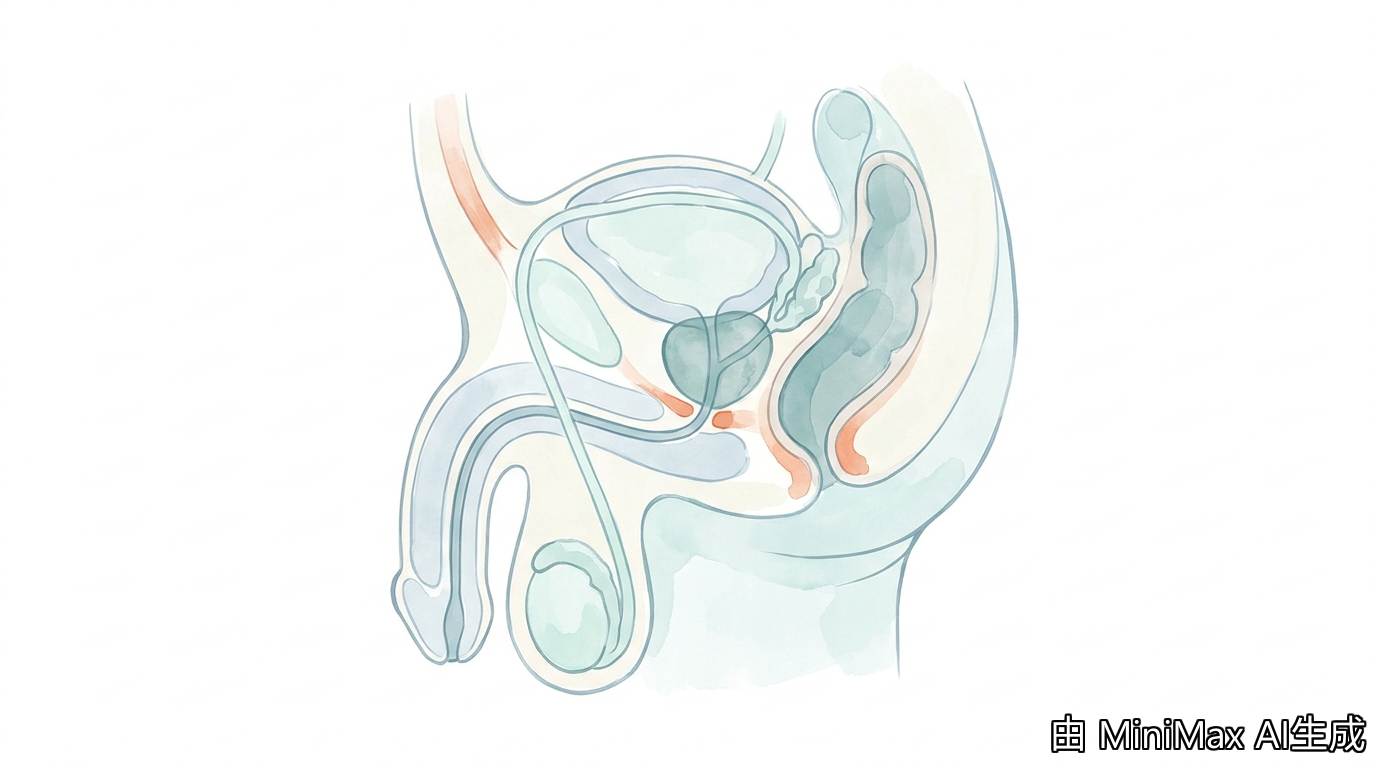
Prostatitis is a condition that does not get talked about as much as it should. The prostate is a small gland, roughly the size of a walnut, sitting just below the bladder. When it becomes swollen, tender, or inflamed, the effects can ripple through nearly every part of daily life, from how you sit at your desk to how you sleep at night.
What makes prostatitis tricky is that it does not always announce itself loudly. Sometimes the signs are easy to dismiss as something else, until they are not.
What is prostatitis, in plain terms
Prostatitis is inflammation of the prostate gland. It can come on quickly (acute) or linger for months (chronic). It can be caused by a bacterial infection, or it can have no clear cause at all. Doctors sometimes describe cases as "inflammatory" when no bacteria are found, but the discomfort is just as real.
The pain often shows up in unexpected places. The most common areas men report discomfort are:
- The perineum (the area between the anus and the scrotum)
- The testes (about 58% of men with prostatitis feel this)
- The lower abdomen, just above the pubic bone
- The penis itself, sometimes only during urination
- The lower back, where it can feel like ordinary muscle pain
Symptoms worth paying attention to
Because the prostate sits right next to the bladder and the urethra, the symptoms often look like a urinary problem at first. Here are the signs that should prompt a visit to a doctor.
Urinary changes
- Needing to urinate more often than usual, especially at night
- A weak or stop-and-start stream
- A feeling that the bladder is not fully empty
- Urgency that comes on suddenly and is hard to ignore
Pain signals
- Burning or stinging when urinating
- Pain during or after ejaculation
- A dull ache in the lower back, hips, or thighs
- Tenderness in the perineum, especially after long periods of sitting
Whole-body signs (more common in acute bacterial prostatitis)
- Fever and chills
- General feeling of being unwell
- Nausea
These symptoms overlap with other conditions, including urinary tract infections and an enlarged prostate. Only a doctor can tell them apart. If anything feels off for more than a week, get it checked.
Why prevention is harder than it sounds
Honest truth: there is no guaranteed way to prevent prostatitis. The cause is often unknown, and treatment can sometimes take months or even years. But that does not mean you are powerless. The lifestyle choices you make every day have a real effect on prostate health, and they can lower your risk and ease symptoms if prostatitis does develop.
Here is what actually helps, based on what the research and clinical practice suggest.
1. Stay hydrated
Drinking enough water keeps urine dilute and helps flush bacteria out of the bladder before they have a chance to travel up to the prostate. The old advice of "drink eight glasses a day" is fine as a starting point, but a better rule is to drink whenever you are thirsty, plus a little extra if you exercise or live in a hot climate.
One caution: if you have chronic kidney disease or congestive heart failure, ask your doctor about the right amount of fluid for you.
2. Move your body, but do not overdo it
Exercise at least three times a week. Brisk walking, swimming, gentle stretching, or a yoga class are all good options. Physical activity helps in two ways: it reduces anxiety (which is linked to certain types of prostatitis), and it improves blood flow to the pelvic area.
What to avoid: very long bicycle rides, heavy squats with poor form, or any activity that puts sustained pressure on the perineum. These can inflame an already-sensitive prostate.

3. Stand up when you can
Sitting for long stretches puts constant pressure on the prostate. If your work involves sitting at a desk, set a timer to stand and move for five minutes every hour. Some people find a standing desk helps. Others simply walk around during phone calls. The key is to break up long seated periods.
4. Eat for the prostate, not against it
The evidence is strong here. A diet rich in fruits and vegetables, especially tomatoes (for lycopene), cruciferous vegetables like broccoli and cauliflower, fatty fish (for omega-3s), and foods high in zinc such as pumpkin seeds, has been linked to better prostate health.
What to limit:
- Spicy foods and hot peppers, which can irritate the bladder
- Caffeine in all forms: coffee, tea, energy drinks, soda
- Alcohol, especially in large amounts
- Highly processed meats

5. Manage stress in a real way
This one is often dismissed, but it is not soft advice. Severe work or home stress measurably increases the likelihood of prostatitis, especially the chronic non-bacterial kind. Stress tightens the pelvic floor muscles and changes immune function, both of which matter here.
What works:
- A regular meditation practice, even ten minutes a day
- Whole-body relaxation, especially before bed
- Therapy, particularly cognitive-behavioral therapy, which has shown real results for chronic prostatitis
- Gentle movement: walking, swimming, tai chi

6. Practice safer sex and good hygiene
Sexually transmitted infections are a known cause of prostatitis. Using a condom reduces the chance of bacteria entering the urethra and traveling up to the prostate. Basic hygiene, keeping the area clean and dry, also lowers infection risk.
7. Maintain a healthy weight
Being overweight affects prostate health through several mechanisms, including inflammation and hormone balance. Managing weight through a combination of diet, regular activity, and adequate sleep is one of the most powerful things you can do.
When to see a doctor
Do not wait it out. See a doctor if you experience:
- Frequent or painful urination that lasts more than a day or two
- Pain in the perineum, pelvis, or lower back without an obvious cause
- Fever along with urinary symptoms
- Any blood in the urine
- Painful ejaculation that does not go away
Acute bacterial prostatitis, in particular, can become serious if untreated. It usually responds well to antibiotics when caught early, but delaying treatment can lead to complications.
A final note
If you are reading this because something feels off and you have been putting off seeing a doctor, consider this your nudge. Prostatitis is common, it is treatable, and the sooner you bring it up with a healthcare provider, the easier it is to manage.
And if you are reading this preventively, the seven habits above are a good place to start. None of them are dramatic. All of them add up.
Comments
article.commentNote
Loading…