 Agubi Men's Health
Prostate Milking: A Calm, Evidence-Based Look at What It Actually Does
Prostate milking has been around for over a century. Here is what the medical evidence actually says about its benefits, its risks, and how to think about it clearly.
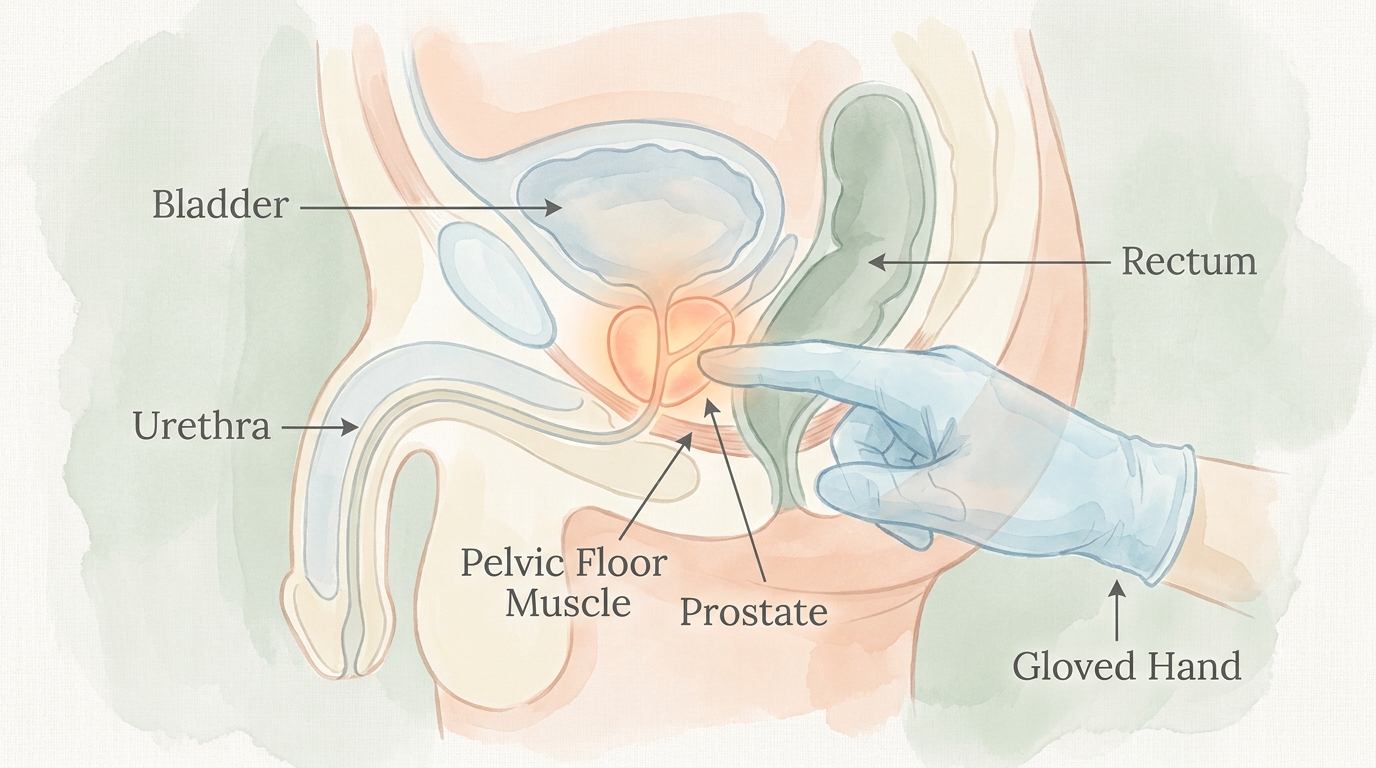
The phrase "prostate milking" sounds made up, but the practice isn't new. Doctors were already recommending prostate massage in the 1890s. A hundred-plus years later, it has moved out of clinics and into the wellness corner of the internet, where the claims have grown louder than the evidence.
So what does prostate milking actually do, what doesn't it do, and when is it risky? Here is a clear, unhurried look.
What prostate milking actually means
"Prostate milking" is not a medical term. It usually refers to one of two things:
- Internal stimulation. Gentle pressure on the prostate through the rectal wall, often with a gloved finger, to express prostatic fluid.
- External stimulation. Pressing on the perineum (the area between the scrotum and anus) to stimulate the prostate indirectly through the skin.
The prostate sits below the bladder and in front of the rectum. When pressed firmly, it can release a small amount of clear or milky prostatic fluid, sometimes without a full ejaculatory response.
The practice lives in three different worlds at once: a urological diagnostic tool, a possible treatment for some pelvic pain conditions, and a sexual practice. Conflating the three is where most confusion comes from.
What the evidence supports
This is the part the wellness internet tends to skip.
- As a diagnostic tool: Solid. Doctors have used it for decades to collect prostatic fluid for culture, particularly when chronic prostatitis is suspected.
- For chronic prostatitis or chronic pelvic pain (CPPS): Limited and mixed. Some small studies suggest short-term relief when combined with antibiotics, but a controlled trial found that adding massage to antibiotics did not significantly improve outcomes over antibiotics alone. It is occasionally used as a second-line option, not first-line.
- For preventing prostate cancer: No. There is no evidence that prostate massage reduces cancer risk. The idea that "stagnant" fluid builds up is not supported by current urology. Screening relies on PSA, digital rectal exams, and imaging.
- For an enlarged prostate (BPH): No evidence. Pressing on the prostate does not reverse tissue growth.
- For sexual pleasure: Reports are real but not universal. The prostate is rich in nerve endings, and some men find internal stimulation intensely pleasurable; others feel nothing much at all. There is no evidence it improves erectile function or orgasm quality in any lasting way.
The honest summary: prostate milking has a narrow role in clinical medicine and a personal role in sexual life. It is not a wellness practice with documented preventive benefits.
The real benefits, without the hype
If you strip away the marketing, here is what prostate milking may actually offer.
1. Symptom relief in some chronic pelvic pain cases. Under medical supervision, it can help some men with CPPS feel temporarily better, especially when paired with antibiotics, alpha-blockers, and pelvic floor physical therapy.
2. Diagnostic information. Doctors use prostatic fluid collected through massage to check for white blood cells or bacteria, which helps classify the type of prostatitis.
3. Sexual exploration. Some men and couples find it adds a different dimension to intimacy. Low-risk for most healthy men when done gently and hygienically.
4. A way to engage with your own body. Many men have no idea where the prostate is or what it does. Reading this article is already more engagement than most.
That is the whole list. Anything beyond it is anecdote.
The risks no one warns you about
Risks are usually understated in popular guides. Here is what can actually go wrong.
- Discomfort and minor rectal injury. The rectal wall is delicate. Rough pressure, sharp nails, or poorly designed tools can cause pain, small tears, or bleeding.
- Infection. Especially if hygiene is poor. Anything entering the rectum should be clean and ideally gloved.
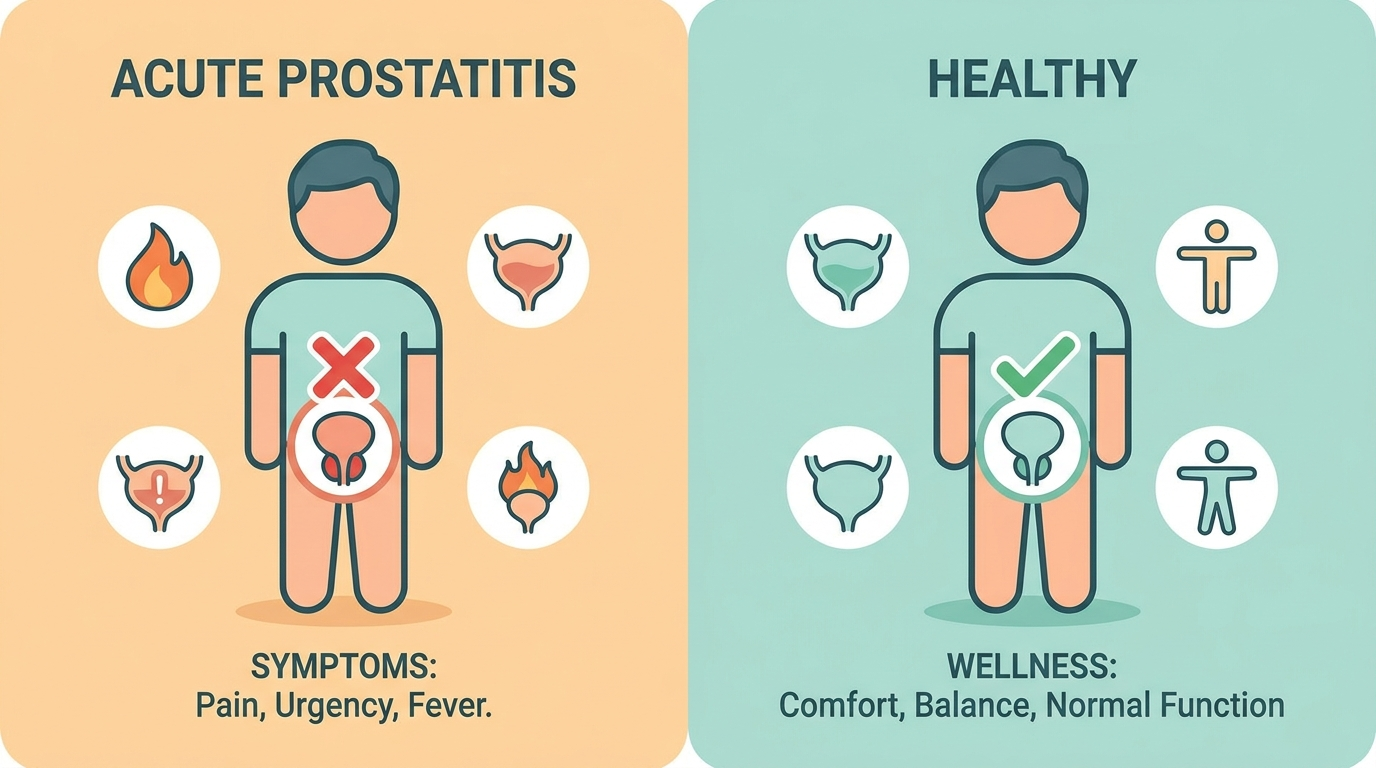
- Bacteremia or sepsis in active infection. Massaging a prostate that is acutely infected can push bacteria into the bloodstream. Men with acute bacterial prostatitis (sudden fever, chills, severe pelvic pain) must not do this. It is a true medical contraindication.
- Worsening symptoms. In chronic pelvic pain, overly aggressive massage can aggravate already-tender pelvic floor muscles.
- PSA elevation. Prostate massage can temporarily raise PSA levels, which may interfere with a scheduled prostate cancer screening. Tell your doctor if you've had one recently.
In short: low-risk for healthy men who go gently, and not-low-risk for men with active infection or undiagnosed pelvic pain.
When to do nothing, and when to see a doctor
Before you try this for any reason, run through this short list.
Skip it (or stop) if any of these are present:
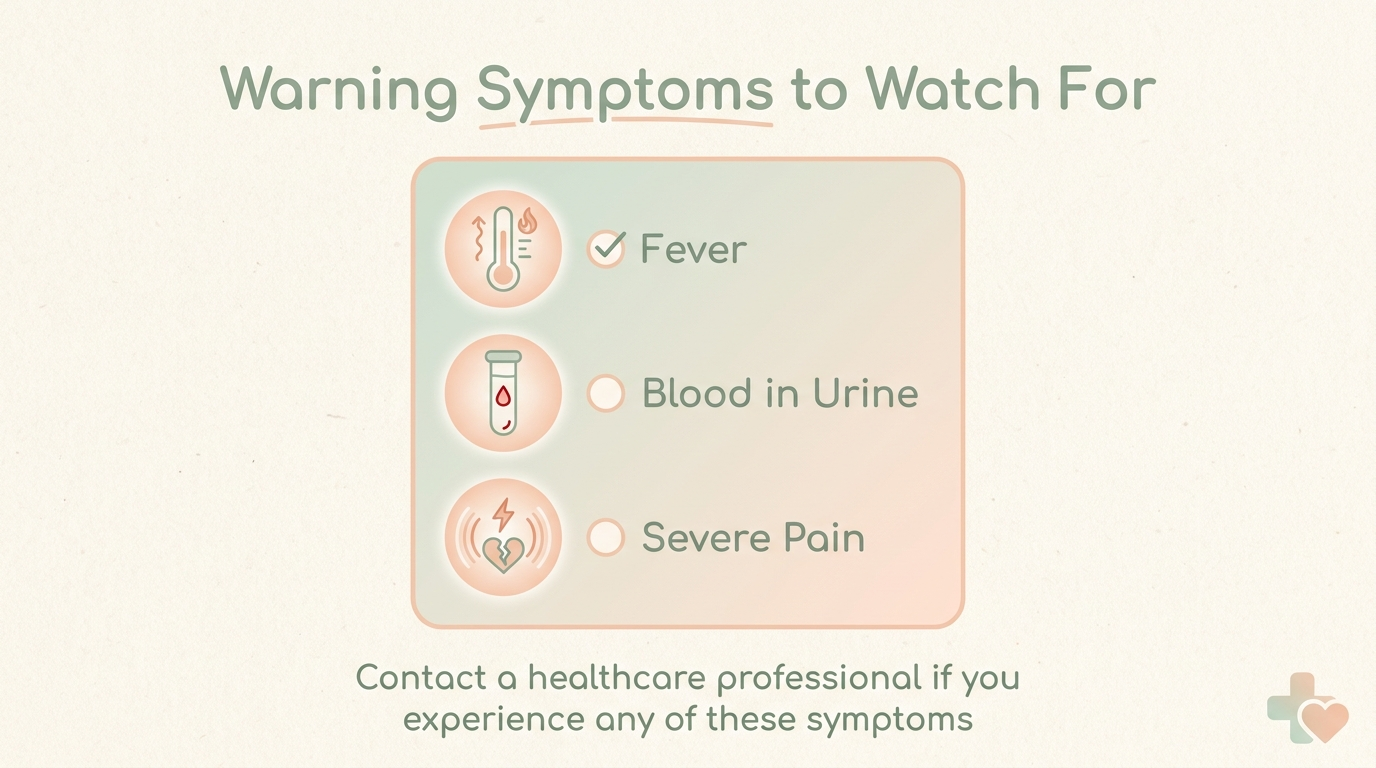
- Fever, chills, or feeling acutely unwell
- Painful urination, urgency, or inability to urinate
- Recent rectal or prostate surgery
- Bleeding disorders or blood thinners
- Active anal fissure or infection
- Known prostate cancer, unless a urologist has specifically approved it
See a urologist first if you have:
- Persistent pelvic pain or pressure
- Blood in urine or semen
- Painful ejaculation
- New urinary symptoms lasting more than a week
- Any concern about prostate size or health
A digital rectal exam is the standard way to assess the prostate. PSA testing is the standard screening tool. These are reliable in ways that home massage is not.
If you still want to try it, do it as safely as possible
For healthy men curious about prostate milking as a personal practice, the goal is hygiene, gentleness, and self-awareness.
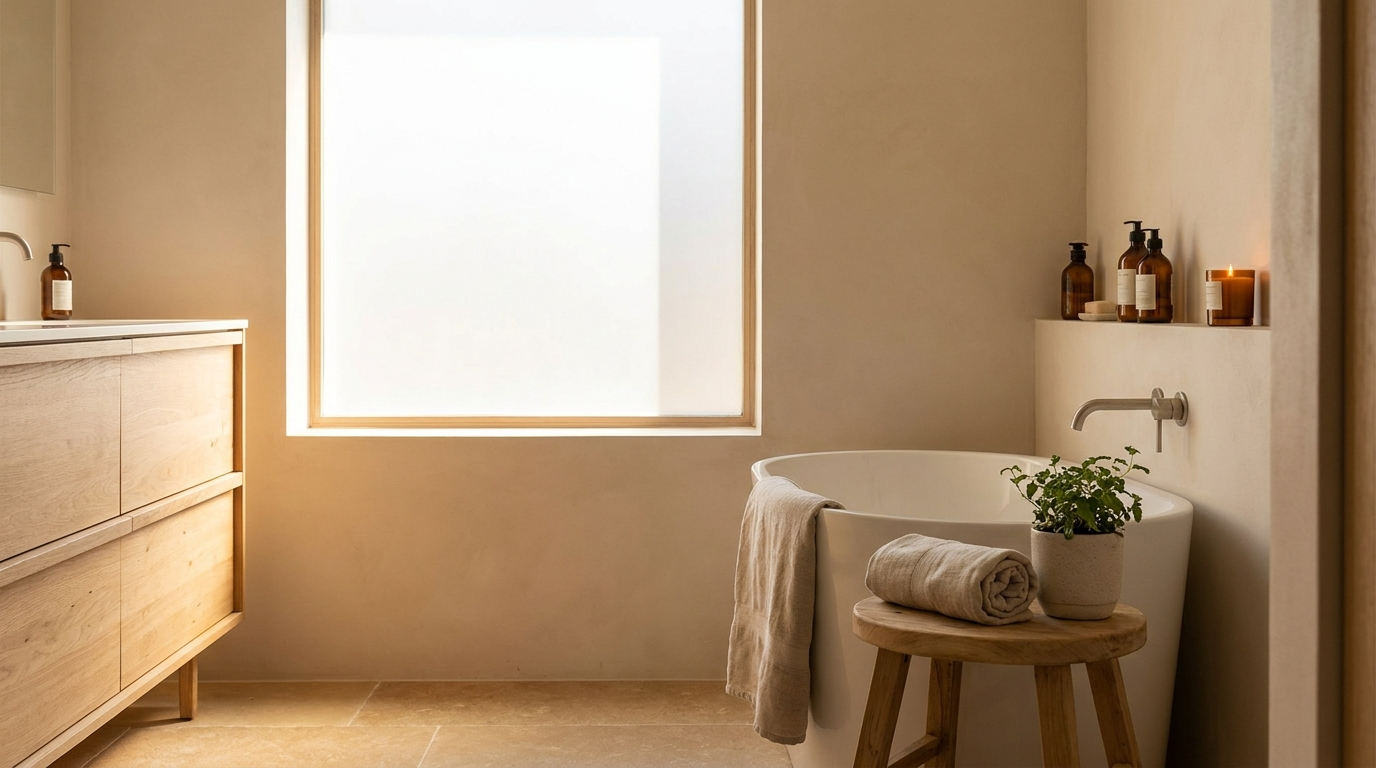
Prepare the setting. A calm, private space, a clean towel, and enough time that you won't be rushed. There is no medical reason for urgency, and being tense is the enemy of comfort.
Set up physically:
- Empty your bladder beforehand
- Wash your hands and trim nails short
- Use a medical-grade glove and a water-based lubricant
- A warm shower beforehand relaxes the pelvic floor
Choose a position. Lying on your side with knees drawn up, or on your back with knees bent, both work well. The exact position matters less than being relaxed.
Go slowly. The prostate is roughly 7 to 10 cm inside the rectum, toward the front of the body. Use gentle pressure, not force. The sensation is often described as needing to urinate at first, which fades.
Stop immediately if:
- Sharp pain occurs
- You feel numbness or tingling
- You see blood
- Anything feels wrong
Pain is never the goal.
The takeaway
Prostate milking has a long medical history and a narrow set of evidence-backed uses. Most dramatic health claims online are unsupported. Risks are usually minor for healthy men who go gently, but real and serious for men with active infection.
If exploring it for personal reasons, do it slowly, hygienically, and with attention to how your body responds. If exploring it because something feels wrong, the right next step is a urologist, not a home technique.
The honest answer is unchanged from a hundred years ago: it has its place, and that place is small.
References
- WebMD. Are There Health Benefits of a Prostate Massage?
- Medical News Today. Prostate milking (massage): Definition and how to do it.
- Capodice JL et al. Evaluation of an At-Home-Use Prostate Massage Device. Open Urol Nephrol J. 2009.
Comments
article.commentNote
Loading…