 Agubi Men's Health
Prostate Cancer Risk Factors: What Actually Moves the Needle
Age, family history, and genetics drive most of the risk. Lifestyle matters less than most headlines suggest — but it still matters. Here is what current evidence actually says.
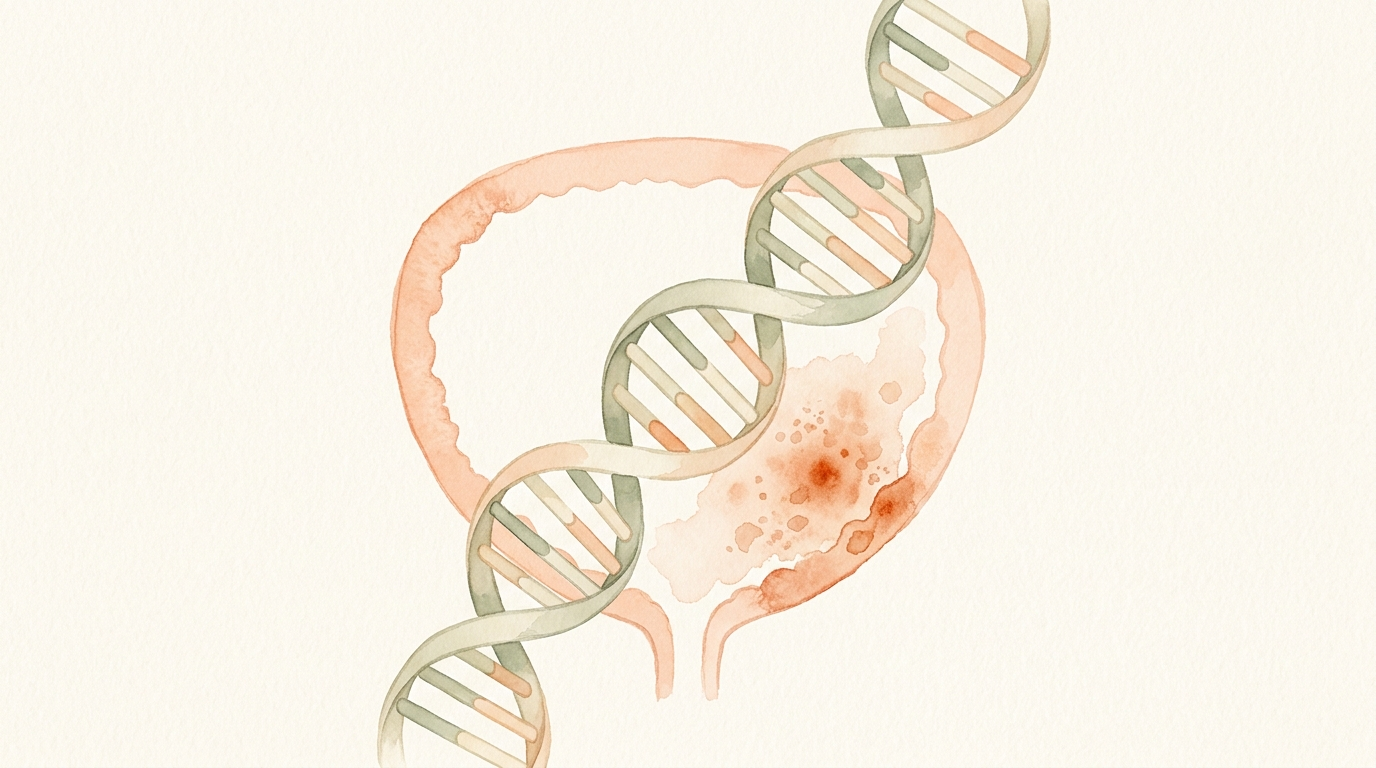
When men ask whether they are at risk for prostate cancer, the honest answer is almost always yes — simply being male and aging gets you most of the way there. The interesting question is what raises risk beyond that baseline — and what does not.
The strongest risk factors (the ones you cannot change)
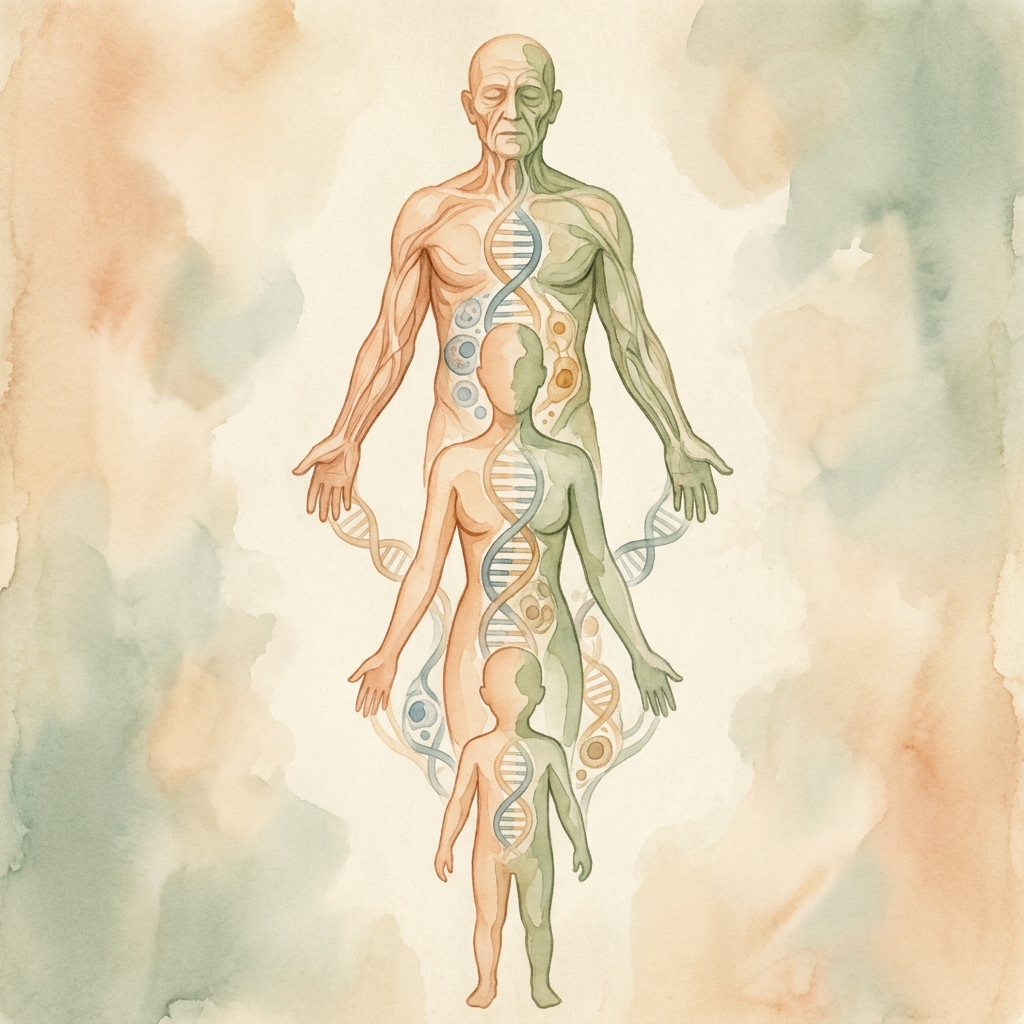
(the ones you cannot change)
Age is the single biggest driver. Prostate cancer is rare before 40, uncommon before 50, and rises sharply after that. About 6 in 10 prostate cancers are diagnosed in men over 65. This is not a lifestyle problem. It is the steady accumulation of DNA damage in aging prostate cells, combined with decades of hormonal stimulation. There is no behavior that meaningfully lowers age-related risk.
Family history is the second strongest driver. Men with a father or brother who had prostate cancer face roughly double the risk. The risk climbs further with multiple affected relatives, especially if any were diagnosed before age 55. The effect is partly inherited genes and partly shared environment — families eat similar diets, live in similar places, and see doctors at similar rates.
Inherited gene variants account for a meaningful slice of the strongest family patterns. The most important are BRCA2 (3- to 8-fold higher lifetime risk, often more aggressive and diagnosed earlier), BRCA1 (smaller but real), HOXB13 G84E (early-onset, 33 to 60% in carriers), Lynch syndrome (MLH1, MSH2, MSH6, PMS2 — roughly doubles risk), and ATM / CHEK2 (moderate). These are rare in the general population (BRCA2 mutations occur in about 1 to 2 percent of men with prostate cancer) but become much more relevant when family history is strong. Genetic testing is something to discuss with a genetic counselor, not to order on your own.
Race and ethnicity play a measurable role. African American men and Caribbean men of African ancestry have the highest incidence of prostate cancer in the world and tend to be diagnosed younger and with more aggressive disease. Asian American and Hispanic/Latino men have lower incidence than non-Hispanic white men. The drivers are a mix of genetic variation, healthcare access, screening patterns, and social determinants of health — not any single cause.
Family history of certain other cancers can be a clue. Strong family history of breast, ovarian, colorectal, or endometrial cancer can signal an inherited cancer syndrome that also raises prostate cancer risk — particularly BRCA-related and Lynch syndrome families.
The risk factors you can change (the ones that get less attention than they deserve)
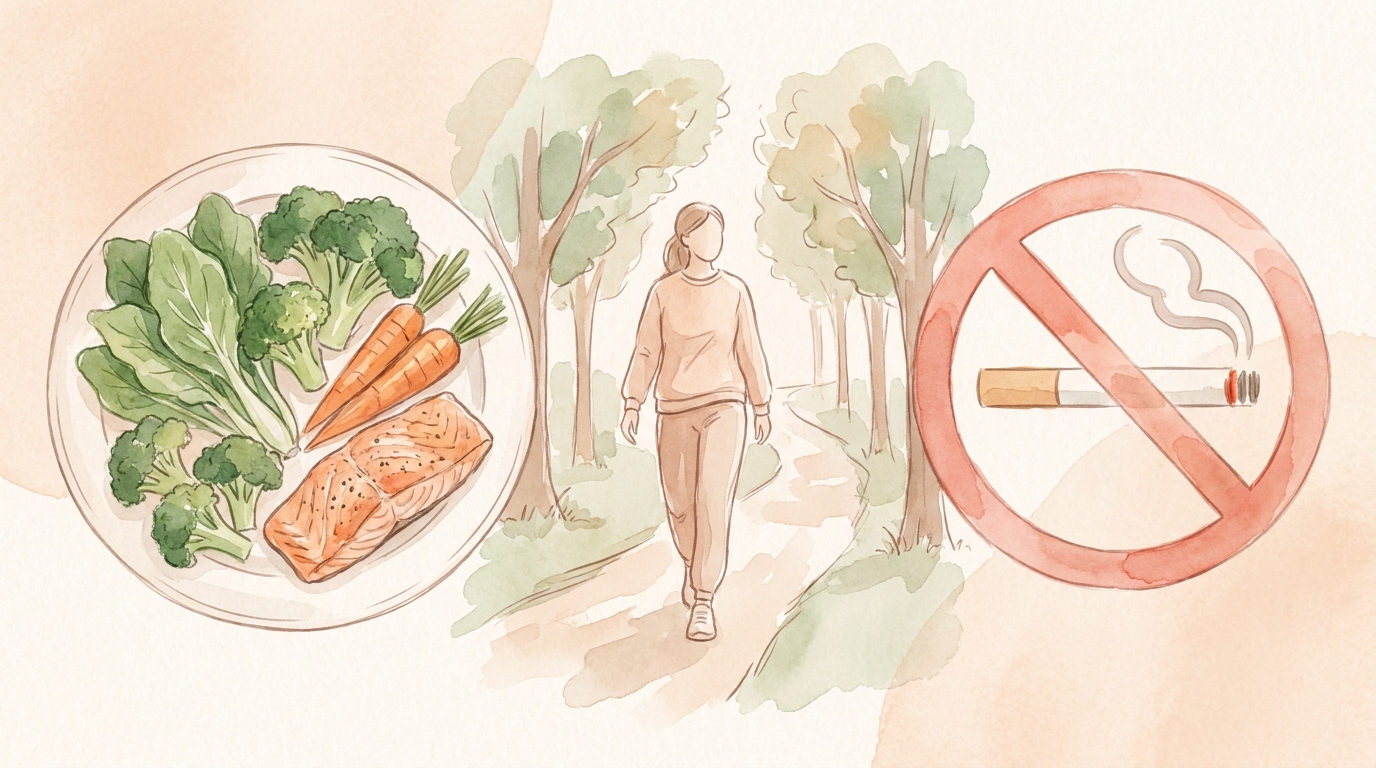
(the ones that get less attention than they deserve)
The honest evidence on modifiable prostate cancer risk is mixed. The headline-makers tend to overstate it; the dismissive coverage tends to understate it. Here is what current data actually supports.
Obesity is the lifestyle factor with the most consistent evidence. High body mass index does not appear to raise the overall risk of being diagnosed with prostate cancer, but it consistently raises the risk of aggressive prostate cancer and of dying from it. This pattern has held up across multiple cohort studies.
Smoking is associated with worse outcomes, even if it does not raise the chance of being diagnosed. Most studies find little link between smoking and developing the disease. But men who smoke and develop prostate cancer have a higher risk of recurrence, progression, and death. Quitting is worthwhile for many reasons, prostate cancer among them.
Physical activity is associated with reduced risk of aggressive prostate cancer and of dying from it. Vigorous exercise shows the strongest signal. The dose is not precisely known — most guidelines fall in the 150 to 300 minutes per week range — and the effect is modest, but it is consistent.
Diet has mixed and modest effects. Strongest signals: high intake of animal fat and processed red meat slightly increases aggressive-disease risk; cooked tomato products (lycopene) and cruciferous vegetables show small reductions; dairy and calcium may marginally raise risk at high intakes. Calcium remains important for bone health.
Height and BMI in early adulthood show weak associations with later prostate cancer risk, mostly via the same metabolic pathways. This is more of a marker than something actionable.
What does not move the needle: supplements. Selenium, vitamin E, saw palmetto, and zinc have all failed to reduce risk in randomized studies, and the SELECT trial actually found a small increase in the vitamin E arm. If your diet is reasonable, supplements add little.
What about screening?
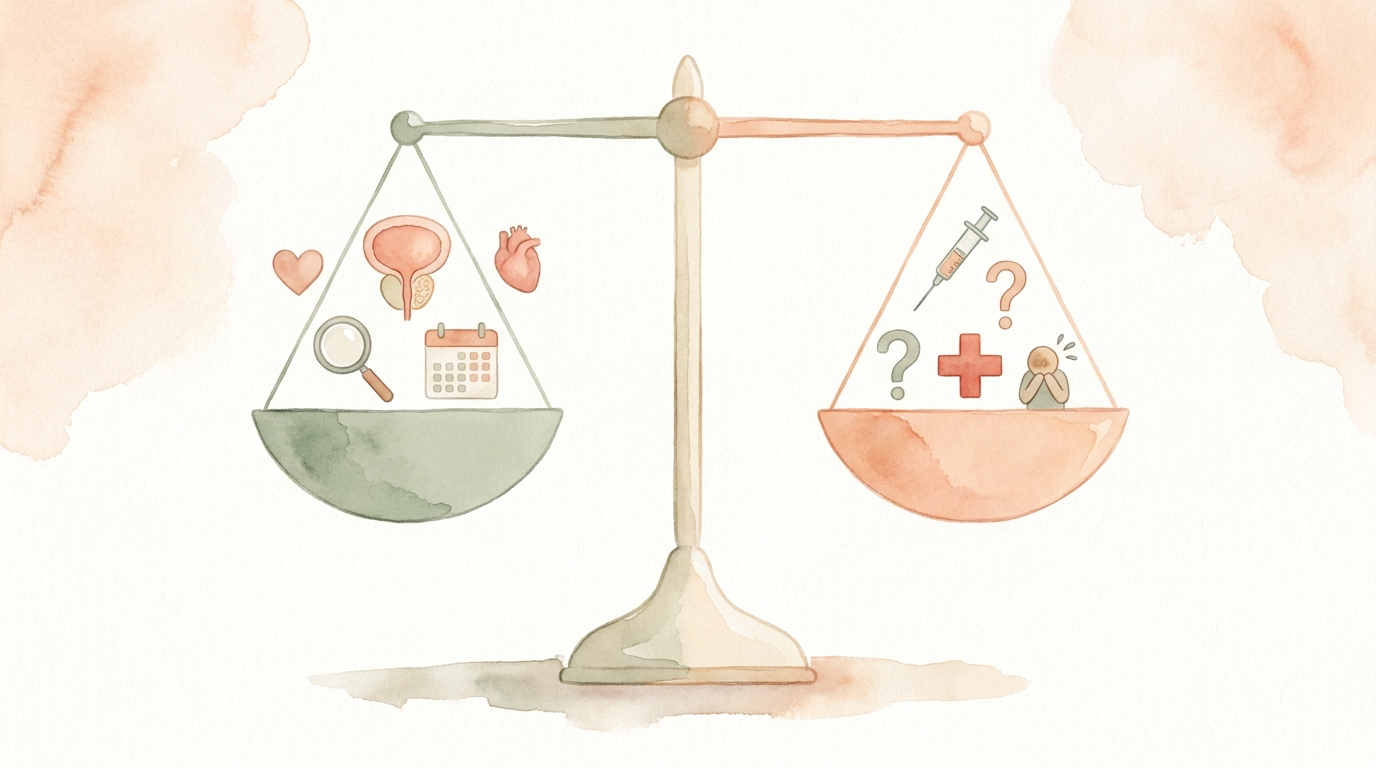
Risk factors shape when and how aggressively you should think about screening, not whether to think about it at all. The United States Preventive Services Task Force recommends that men ages 55 to 69 make individual decisions about PSA screening after discussing benefits and harms with their clinician. For men with elevated risk (strong family history, known genetic variant, African ancestry), discussion often begins earlier — sometimes at 40 or 45.
Screening is not the same as prevention. A normal PSA does not eliminate risk, and an elevated PSA does not equal cancer. But it is the only tool we currently have to find prostate cancer before symptoms appear, and that early-detection advantage translates into more options and better outcomes for the men whose cancers turn out to be clinically significant.
Putting your own risk together
Three questions tend to determine where you land on the risk spectrum:
- How old are you? Risk rises sharply after 50. That alone accounts for the majority of any man's baseline risk.
- What is your family history? Father or brother with prostate cancer — especially before age 60 or with multiple relatives — is the next most important signal.
- Do you carry an inherited risk variant? Most men do not know. If family history is strong or includes breast, ovarian, colorectal, or endometrial cancer at young ages, a referral to a genetic counselor is reasonable.
For the rest — diet, activity, weight, smoking — the effect is real but small, and the same habits lower your risk for heart disease, diabetes, and several other cancers.
This article is informational and is not a substitute for medical advice. For decisions about PSA testing, genetic testing, or any aspect of prostate cancer risk, please talk with a qualified clinician.
References
- Graham NJ, Souter LH, Salami SS. "A systematic review of family history, race/ethnicity, and genetic risk on prostate cancer detection and outcomes." Urol Oncol 2024.
- Prostate Cancer UK. "Are you at risk?" https://prostatecanceruk.org/prostate-information-and-support/risk-and-symptoms/are-you-at-risk (accessed 2026).
- American Cancer Society. "Prostate Cancer Risk Factors." https://www.cancer.org/cancer/types/prostate-cancer/causes-risks-prevention/risk-factors.html (accessed 2026).
- Kiesel V. "Genetics and prostate cancer." Prostate Matters / University Hospitals Leicester NHS Trust, 2023.
- Win AK. "Is prostate cancer a Lynch syndrome cancer?" Hered Cancer Clin Pract 2013;11(1):13.
- Cancer Australia. "What are the risk factors for prostate cancer?" https://www.canceraustralia.gov.au (accessed 2026).
- Wilson KM, Mucci LA. "Diet and Lifestyle in Prostate Cancer." Hematol Oncol Clin North Am 2020.
- Ziglioli F, et al. "Impact of modifiable lifestyle risk factors for prostate cancer." Prostate Cancer Prostatic Dis 2023.
- U.S. Preventive Services Task Force. "Prostate Cancer: Screening." JAMA 2018;319(18):1901–1913.
Comments
article.commentNote
Loading…