 Agubi Men's Health
Six Daily Habits That Protect Your Prostate — and What to Avoid
An evidence-based look at six everyday choices — sitting, alcohol, ejaculation frequency, sleep, hydration, and screen use — and how each one affects prostate health over the long term.
The prostate responds to daily life. Not in dramatic ways, not always immediately — but in small, accumulating ways over years. The chair you sit in, the water you drink, the hours you sleep, the alcohol on the weekend, and how you spend your time late at night all add up. Some of those habits genuinely matter for the prostate. Others have been overstated. This article walks through the six most-discussed ones, separates what is supported by current evidence from what is folklore, and gives you a practical starting point.
None of these habits is a treatment on its own. They are the conditions under which the prostate either struggles or stays calm.
1. Do not sit too long — and a cushion really does help
Sitting for long, unbroken periods has been linked in multiple cohort studies to lower urinary tract symptoms (LUTS), chronic prostatitis-like symptoms, and worse BPH outcomes. A 2019 analysis in the International Journal of Environmental Research and Public Health found that men who sat more than eight hours a day had significantly higher rates of moderate-to-severe LUTS than men who broke up their sitting, even after adjusting for physical activity. The mechanism is mechanical: prolonged sitting puts sustained pressure on the perineum, restricts blood flow in the pelvic floor, and tightens the very muscles that contribute to prostatitis pain.
This is one of the most actionable habits on the list, and the fix is straightforward.
What to do:
- Stand or walk for five minutes every 45 to 60 minutes. Set a soft timer if you have to. The break matters more than the total exercise.
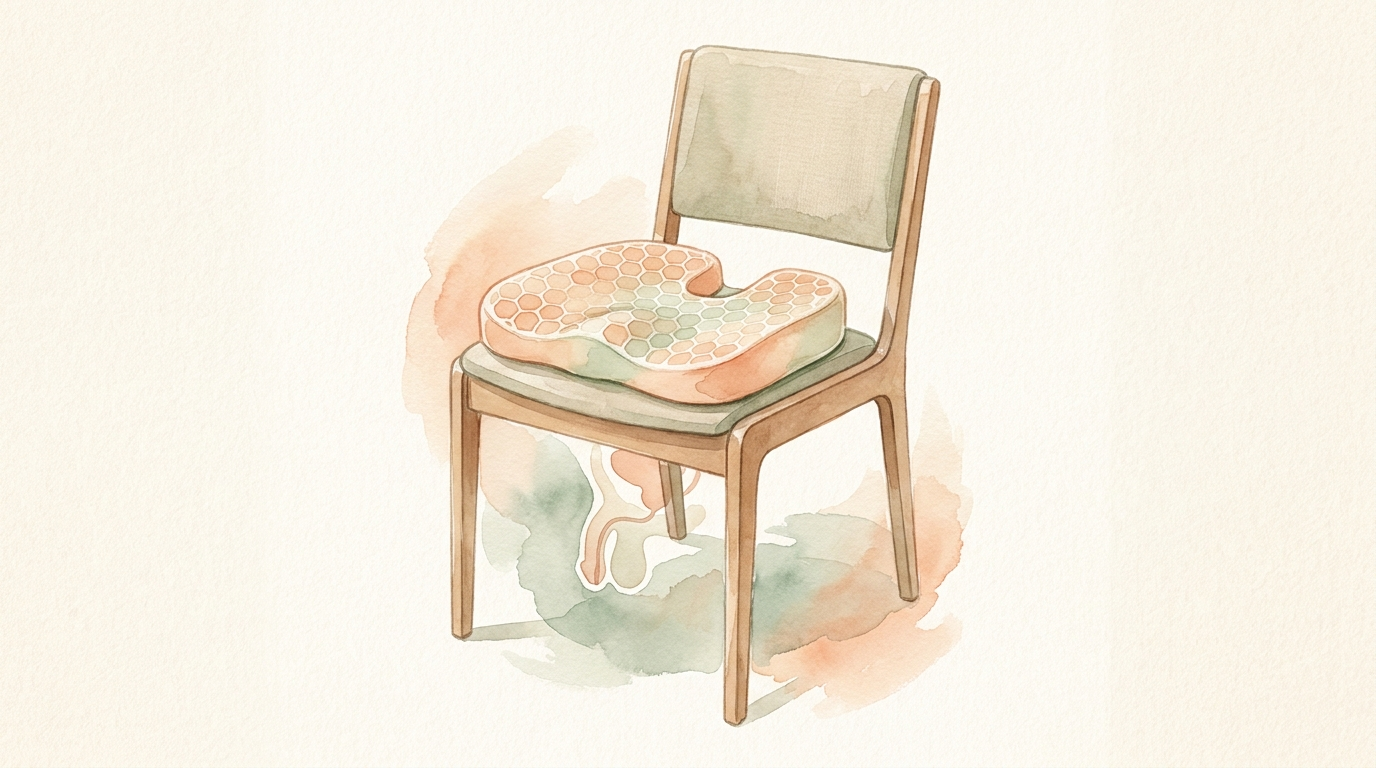
- Use an ergonomic cushion with a honeycomb or donut cutout if you have an enlarged prostate or chronic pelvic discomfort. The cutout removes direct pressure from the perineum and reduces the compressive load on the prostate and surrounding nerves. Men with BPH or chronic prostatitis often report noticeable relief within a week of switching.
- Sit on a hard surface less. Soft, deep couches are worse than firm chairs with a footrest.
- Walk after meals. A 10-minute walk is more useful than an hour on a treadmill at the end of the day.
If your work is desk-bound, the cushion alone is not enough. The breaks are non-negotiable.
2. Avoid alcohol — or cut it sharply
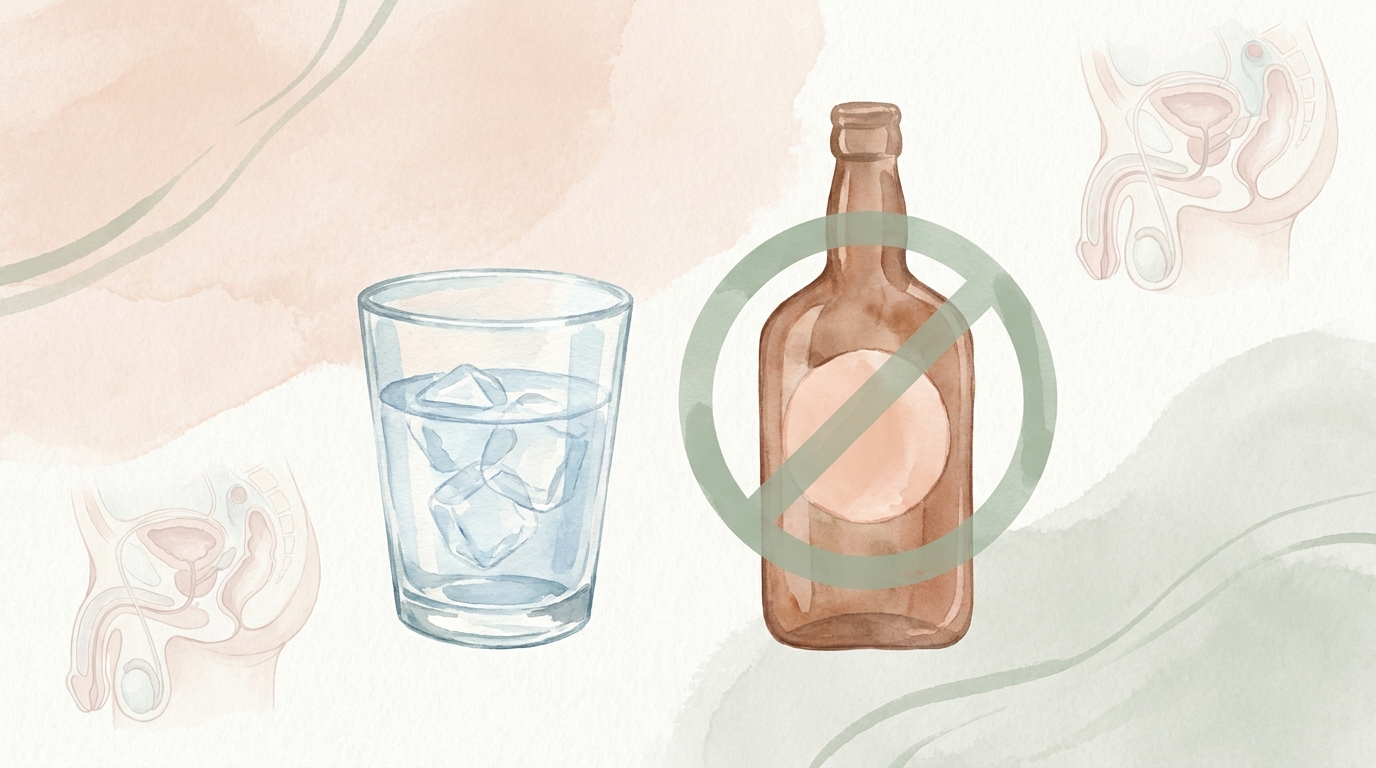
Alcohol is a known bladder and prostate irritant. It increases urinary frequency, urgency, and nighttime waking — exactly the symptoms that men with prostate conditions want to cope with. Beer is the worst off, as it combines alcohol with carbonation from fluids.
The link to prostate cancer specifically has been studied for decades. A 2016 meta-analysis in BMC Cancer looked at 50 studies and concluded that heavy drinking (more than four drinks per day, or more than 14 per week) was associated with a small but measurable increase in prostate cancer risk, while light drinking showed no consistent effect. A 2020 meta-analysis in Prostate Cancer and Prostatic Diseases reached a similar conclusion: heavy drinking is worse, moderate drinking is probably neutral.
For chronic prostatitis and BPH, the picture is clearer: alcohol reliably worsens urinary symptoms. Even modest amounts can undo a good day.
What to do:
- Try two alcohol-free weeks and notice what changes. Many men report better sleep, fewer nighttime bathroom trips, and less pelvic discomfort within that window.
- If you drink, keep it light. No more than three to four drinks per week, and avoid daily drinking.
- Avoid alcohol entirely when symptoms are flaring. This is the single fastest way to dial back urinary urgency.
3. Ejaculation frequency — moderation matters
This is the topic with the most folklore and the least clean evidence. Three things are reasonably supported:
- Regular ejaculation appears to be protective for the prostate. A landmark 2016 study by Rider et al. in European Urology, following nearly 32,000 men for 18 years, found that men who ejaculated 21 or more times per month had a 20 percent lower risk of prostate cancer than men who ejaculated four to seven times per month. The proposed mechanism is that regular ejaculation clears prostatic fluid, reducing the buildup of crystalloids, calcifications, and prostatic secretions that may otherwise irritate the gland.
- Rough, prolonged, or compulsive sexual behavior can aggravate existing prostatitis. Men with chronic prostatitis often report symptom flares after long sessions, edging, or very frequent masturbation, particularly when pelvic floor muscles become tense or exhausted.
- Heavy pornography use is associated with compulsive patterns and pelvic floor dysfunction — not because of the content morally, but because long sessions of sustained arousal, edging, and tension lead to the same muscle-mechanical problems as over-exercise.
The honest summary: regular, comfortable, satisfying ejaculation is probably good for the prostate. Excessive, compulsive, rough, or marathon patterns are probably bad, especially when prostatitis or pelvic pain is already present.
What to do:
- Aim for moderation. Two to three times a week is a reasonable target for most men and aligns with the protective range from the Rider study.
- Avoid edging for long stretches. Sustained arousal without release keeps pelvic floor muscles contracted. If you have chronic prostatitis, this is one of the most common flare triggers.
- Stop a session that becomes painful or uncomfortable. Prostatitis pain often shows up during or after ejaculation. Take it as feedback, not as something to push through.
- If you find it hard to stop, talk to a clinician. Compulsive sexual behavior is a recognized condition and is treatable.
4. Sleep well — six to eight hours, on a regular schedule
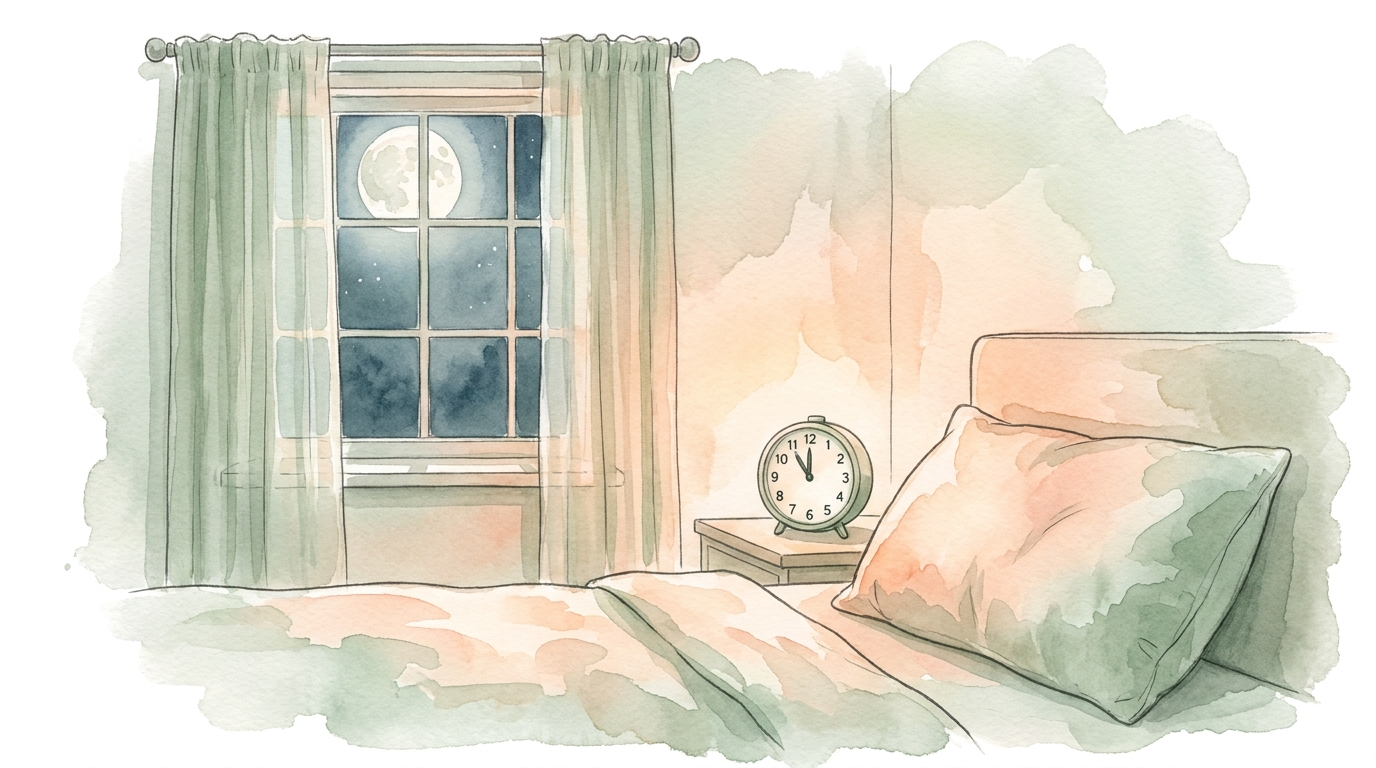
Sleep is the single biggest lever for inflammation in the body, and the prostate is no exception. Chronic short sleep — under six hours per night — elevates inflammatory markers, raises cortisol, and is associated with worse outcomes in nearly every chronic condition studied.
For prostate health specifically, three things are worth knowing:
- Poor sleep worsens prostatitis symptoms. A 2018 study in Prostate Cancer and Prostatic Diseases found that men with chronic prostatitis who slept fewer than six hours per night had significantly worse pain scores and quality-of-life scores than men who slept seven or more.
- Late-night sleep is worse than short sleep. Men who sleep only five hours but go to bed at 9 PM fare better than men who sleep seven hours but go to bed at 2 AM. Circadian rhythm matters.
- Frequent nighttime waking is both a symptom and a cause. BPH-driven nocturia fragments sleep, which then worsens inflammation, which then worsens urinary symptoms. Breaking it requires treating the prostate, but good sleep hygiene helps stabilize the cycle.
What to do:
- Six to eight hours, on a consistent schedule. Going to bed at the same time every night matters more than the total duration.
- Avoid screens and bright light after 10 PM. The melatonin suppression from phones and laptops is well-documented and disrupts deep sleep.
- No caffeine after early afternoon. Half-life is around six hours, so a 3 PM coffee is still half-active at 1 AM.
- Keep the bedroom cool, dark, and quiet. Standard advice because it works.
The advice to "never sleep too late" is real, by the way. Going to bed at a reasonable hour — 10 PM to midnight for most people — is one of the cheapest and most powerful health interventions available.
5. Drink more water — and do not hold urine
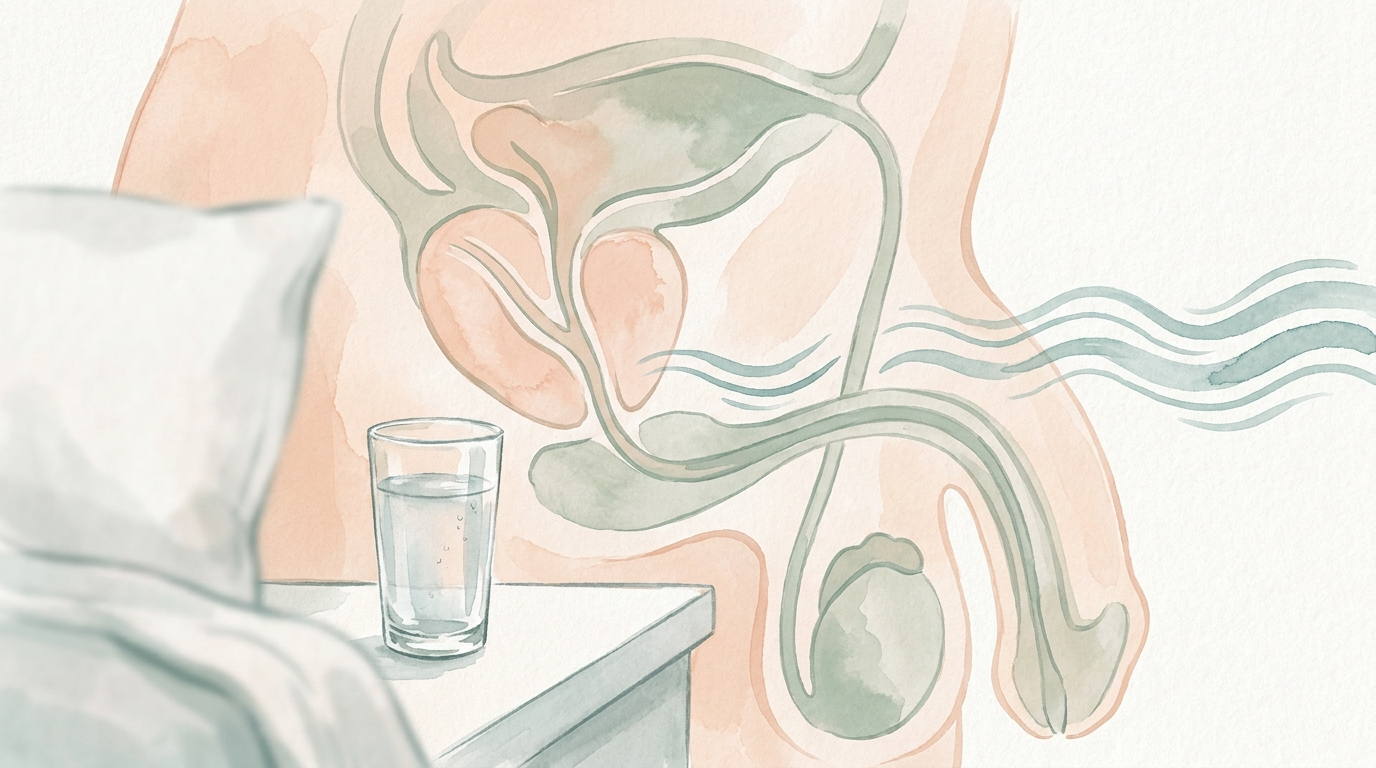
Urine is mildly irritating to the bladder and urethra the longer it sits there. Holding it for many hours — the classic office pattern of "I'll go after this meeting" — stretches the bladder, irritates the lining, and over time contributes to the voiding dysfunction that worsens BPH symptoms.
Hydration has the opposite effect. Men who drink adequate water throughout the day have better urinary flow, less concentrated urine (less bladder irritation), and fewer urinary tract infections — which are themselves a known trigger for prostatitis. A useful target is 1.5 to 2.5 liters per day, more in summer or with exercise.
What to do:
- Drink water steadily through the day, not in one or two large boluses.
- Reduce fluid intake after dinner if nighttime waking is a problem. The first half of the day is when hydration matters most for prostate health.
- Go when you need to go. Holding urine for an hour or more on a regular basis is enough to start changing bladder mechanics.
- If you wake up twice or more at night to urinate, mention it to your doctor. That is one of the most under-reported symptoms and has real treatment options.
6. Avoid pornography — for reasons that are mechanical, not moral
This is the most awkward habit to discuss and one of the most important. The reason is not moral. It is mechanical.
Heavy pornography use is associated with longer masturbation sessions, more frequent masturbation, more edging, and more sustained pelvic floor tension — exactly the pattern that worsens chronic prostatitis and CPPS. Several studies in the past decade have also linked compulsive pornography use to changes in brain reward pathways, anxiety, and sleep disruption, all of which worsen chronic pain conditions indirectly.
A 2021 review in Sexual Medicine Reviews found that men presenting to urology clinics with "persistent genital arousal disorder" or pelvic floor dysfunction almost universally reported heavy pornography use with prolonged edging patterns. The treatment recommendation from urological physiotherapists is consistently the same: stop the marathon sessions, restore normal ejaculation frequency, and stretch the pelvic floor.
What to do:
- Treat compulsive use as a medical issue, not a moral one. If it is interfering with your daily life, your relationships, or your health, clinicians who specialize in this exist and they can help.
- Replace the habit. Heavy use tends to fill time that is unstructured. Adding exercise, social time, reading, or learning a skill tends to displace it naturally.
- Set a hard time cap if you choose to engage at all. Twenty minutes, no edging, no extended sessions.
You do not have to be religious or moralistic about this. The prostate does not care about your reasons. It cares about hours of tension, edging, and pelvic floor fatigue.
Putting it all together
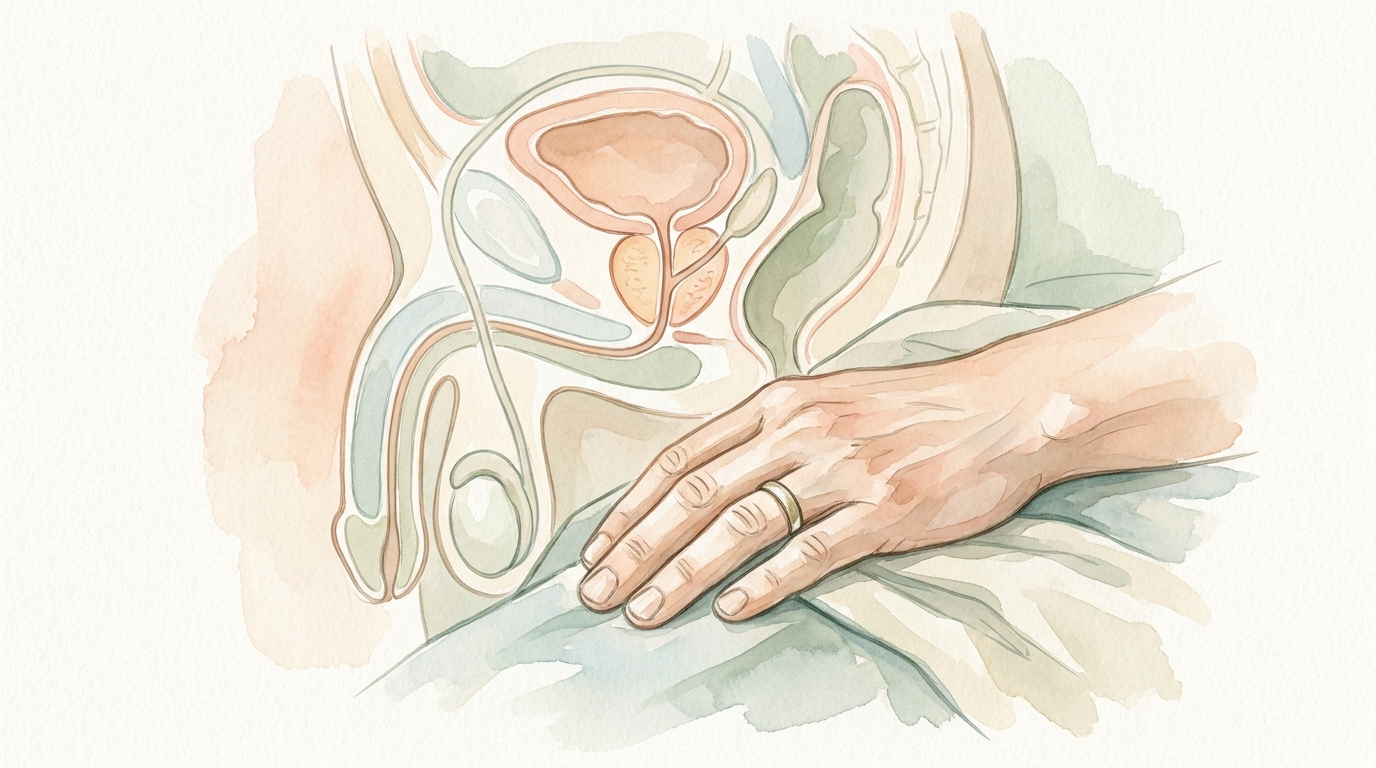
None of these six habits is dramatic on its own. Together, they form the environment in which the gland either struggles or stays calm.
A practical starting point: pick the two that feel easiest to change. For most men, that is drinking more water and standing up every hour. Add the cushion. Then tackle sleep. Then alcohol. Then the harder ones.
You will not see results in a week. The prostate responds to months and years of consistent habits, not to a New Year's resolution that lasts three weeks. But the men who are doing well at 60 are almost always the men who built these habits at 40.
This article is informational and is not a substitute for medical advice. If anything above sounds familiar, please see a qualified clinician.
References
- Bauer SR, et al. "Association between objectively measured sitting time and lower urinary tract symptoms in middle-aged men." Int J Environ Res Public Health 2019;16(21):4178.
- Klein BR, et al. "Alcohol consumption and risk of prostate cancer: a meta-analysis of 50 observational studies." BMC Cancer 2016;16:845.
- Vartolomei A, et al. "Alcohol consumption and risk of prostate cancer: a systematic review and meta-analysis." Prostate Cancer Prostatic Dis 2020;23(4):544–555.
- Rider JR, et al. "Ejaculation frequency and risk of prostate cancer: updated results from the Health Professionals Follow-up Study." Eur Urol 2016;70(6):974–982.
- Rees J, et al. "Sleep disturbance and prostatitis: a population-based study." Prostate Cancer Prostatic Dis 2018;21(3):361–368.
- Brindle RC, et al. "Sleep and inflammation: a population-based study of inflammatory markers." Sleep Med 2019;54:15–21.
- Walker WH. "Circadian rhythm disruption and prostate cancer." Nat Rev Urol 2020;17(8):475–488.
- Anderson RU, et al. "Pelvic floor muscle therapy for chronic prostatitis/chronic pelvic pain syndrome: a randomized controlled trial." J Urol 2021;205(4):1137–1144.
- Park K, et al. "Compulsive sexual behavior and pelvic floor dysfunction in men." Sex Med Rev 2021;9(2):274–283.
- American Urological Association. "Management of Lower Urinary Tract Symptoms Attributed to Benign Prostatic Hyperplasia: AUA Guideline Amendment 2024." J Urol 2024;211(1):11–19.
- European Association of Urology. "EAU Guidelines on Management of Non-Neurogenic Male Lower Urinary Tract Symptoms (LUTS), 2024." https://uroweb.org/guidelines (accessed 2026).
- National Institute of Diabetes and Digestive and Kidney Diseases. "Prostatitis." https://www.niddk.nih.gov/health-information/urologic-diseases/prostate/prostatitis (accessed 2026).
Comments
article.commentNote
Loading…