 Agubi Men's Health
How to Treat Chronic Prostatitis and Recover More Quickly
An evidence-based guide to managing chronic prostatitis and chronic pelvic pain syndrome, from the UPOINT treatment framework to daily habits that speed recovery.
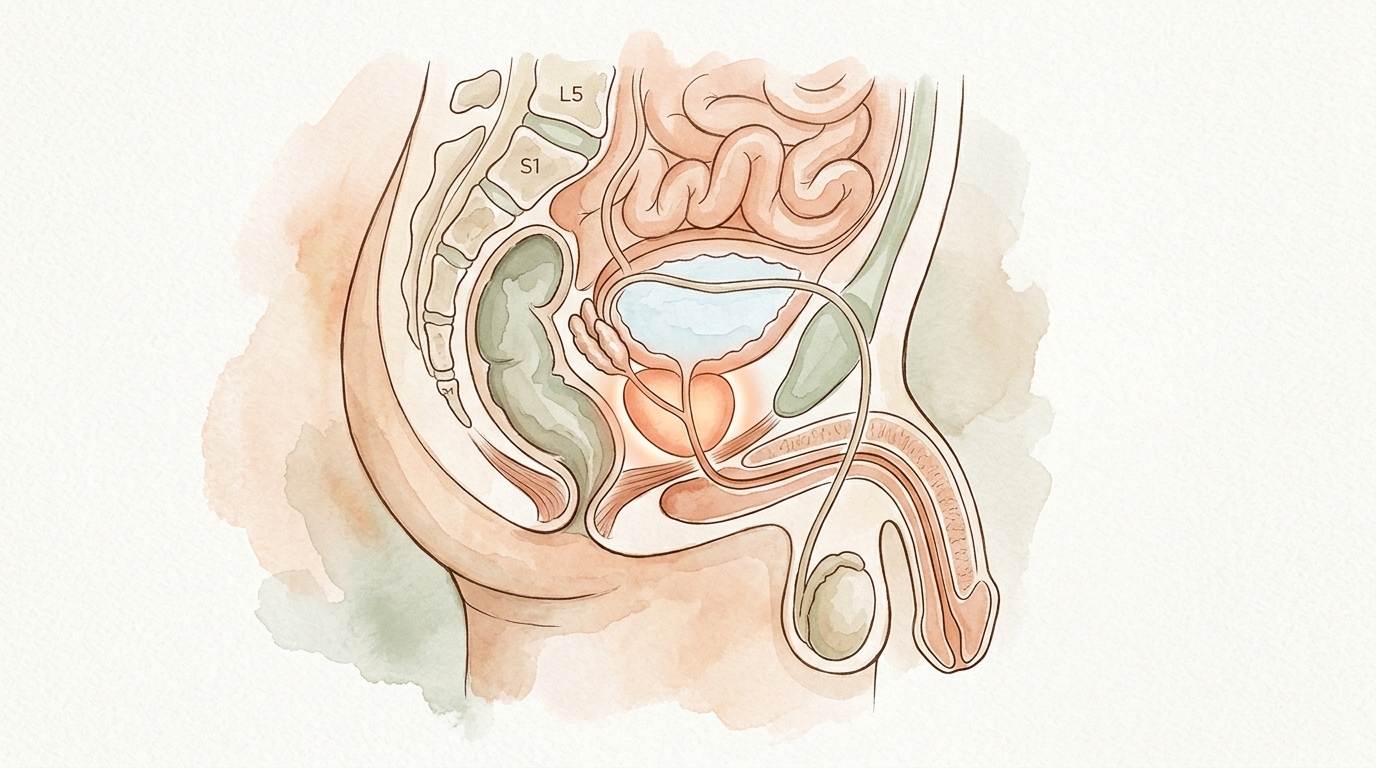
If you have been diagnosed with chronic prostatitis, or have spent months wondering whether you do, you already know this is not a simple infection that a single round of antibiotics will clear. The pain sits in strange places. It comes and goes. It can affect how you sit, how you sleep, how you urinate, and how you feel about yourself. And it is remarkably common: chronic prostatitis affects roughly 10 to 15 percent of men at some point in their lives, and it is one of the most frequent urological complaints in primary care.
The good news: recovery is possible for the vast majority of men, even when the condition has lasted months or years. The treatment landscape has changed meaningfully in the past two decades. There is now a clear framework, used by urologists worldwide, that organizes treatment around the specific drivers of each individual case. Combined with the right daily habits, it can shorten recovery and reduce the chance of relapse.
This article walks through that framework, what to expect on a realistic timeline, and the small things you can do at home that move the needle.
First: which kind of prostatitis do you have
Treatment depends on the type, and getting the right diagnosis matters more than anything else. Doctors classify prostatitis into four categories using the NIH system:
- Category I — Acute bacterial prostatitis. A sudden, severe infection. Fever, chills, intense discomfort. This is a medical urgency and is treated in hospital or with prompt oral antibiotics. Recovery is usually fast and complete.
- Category II — Chronic bacterial prostatitis. A recurring bacterial problem that comes back over months. Less dramatic, but still caused by identifiable bacteria. Treated with longer antibiotic courses (4 to 12 weeks) plus supportive care.
- Category III — Chronic prostatitis / chronic pelvic pain syndrome (CPPS). The most common form, accounting for roughly 90 percent of chronic cases. No bacteria are found. Symptoms are real and driven by a mix of pelvic floor muscle tension, nerve sensitization, inflammation, and often psychological stress. This is the type most men mean when they say chronic prostatitis, and it is the one this article focuses on.
- Category IV — Asymptomatic inflammatory prostatitis. Inflammation found incidentally during other tests. Usually no treatment is needed.
If you have had symptoms for more than three months, you are almost certainly in Category III, even if a doctor has used the word prostatitis broadly. That distinction matters because antibiotics, which work well for Category II, are often not enough on their own for Category III.
What UPOINT means, and why it changed everything
For decades, treatment for chronic prostatitis was a frustrating sequence of trial and error. Antibiotics first. Then alpha-blockers. Then anti-inflammatories. If those did not work, patients were sometimes told there was nothing more to be done.
That changed with the UPOINT framework, introduced in 2009 and now widely used by urologists. UPOINT classifies the drivers of CPPS into six domains, and it matches treatment to whichever domains apply to each individual:
- U — Urinary. Difficulty starting, weak stream, urgency, frequency.
- P — Psychosocial. Anxiety, depression, catastrophizing, stress.
- O — Organ-specific. Direct prostate tenderness, evidence of prostate inflammation.
- I — Infection. Even without clear bacteria, some cases respond to empirical antibiotics.
- N — Neurologic / systemic. Nerve sensitization, pain outside the pelvis, fibromyalgia-like features.
- T — Tenderness of pelvic floor muscles. Tight, tender muscles in the perineum, abdomen, or back.
In a typical patient, three or four of these domains are active. The treatment plan is built around all of them, not just the prostate itself. Studies report that roughly 80 percent of patients improve when their care is organized using UPOINT.
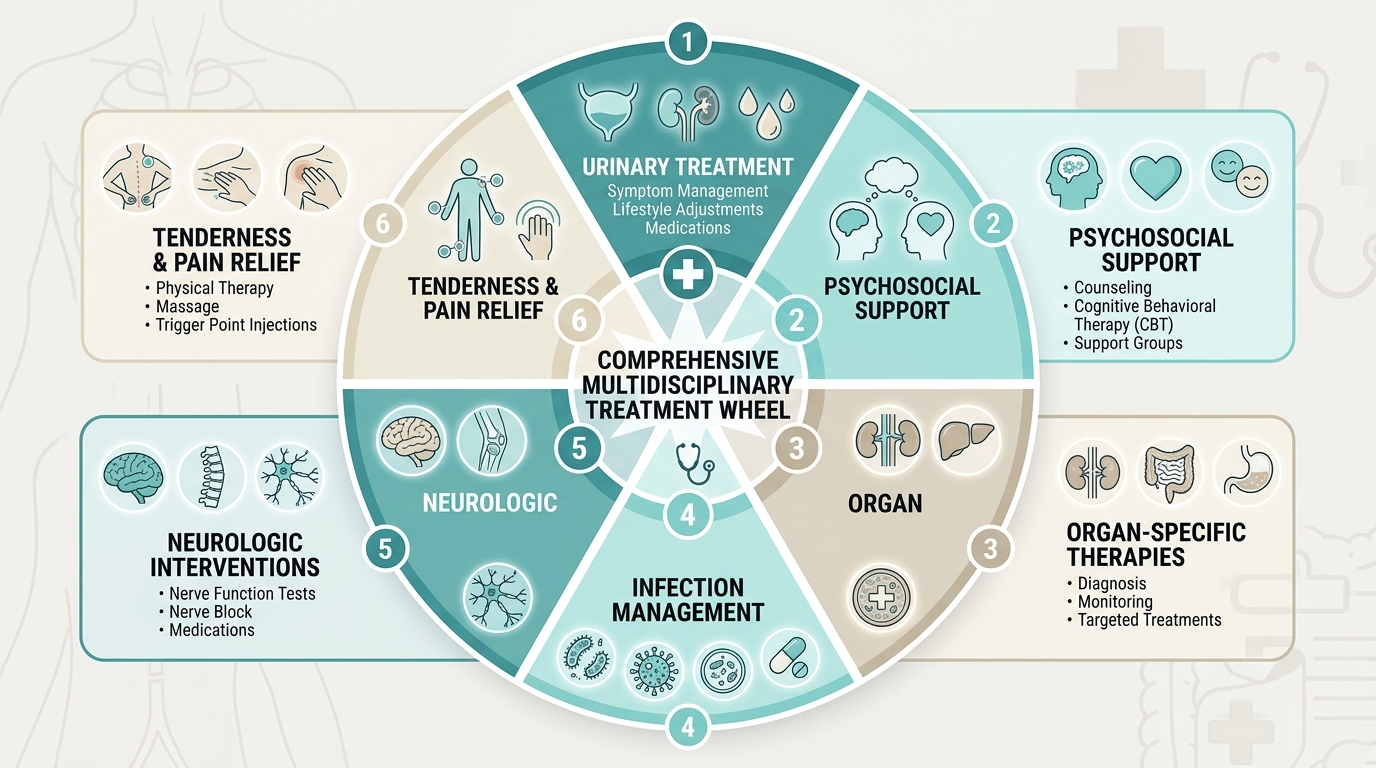
This is also why pelvic floor physical therapy, stress management, and sometimes psychological support are not optional add-ons. They are core treatment. Skipping them is one of the most common reasons recovery stalls.
A realistic timeline for recovery
Every case is different, but the pattern most urologists see looks something like this:
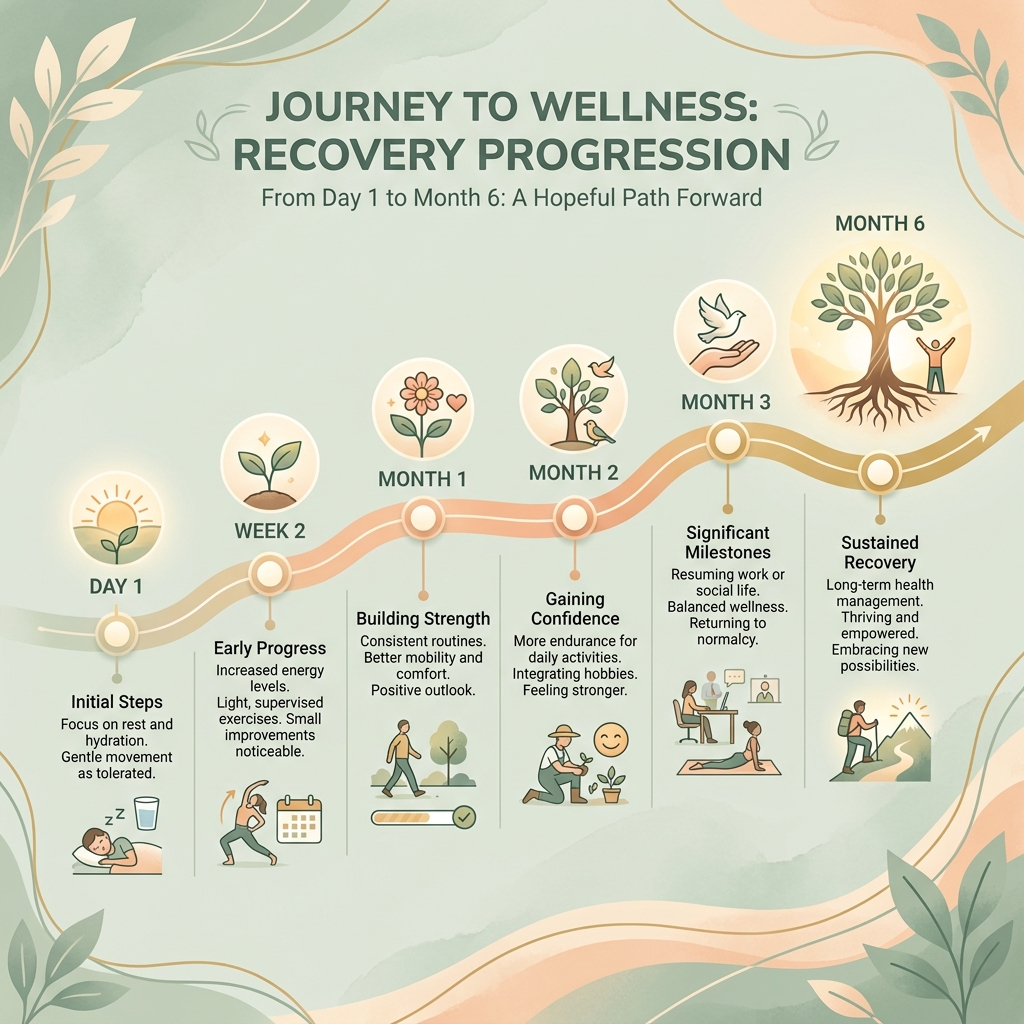
| Phase | Timeframe | What to expect |
|---|---|---|
| Initial assessment | Week 1 to 2 | Diagnosis, ruling out other causes, baseline symptom score (NIH-CPSI) |
| First-line treatment | Weeks 2 to 6 | Antibiotics if indicated, alpha-blocker started, anti-inflammatories, lifestyle changes |
| Re-evaluation | Week 6 to 8 | If response is partial, add second-line: physical therapy, phytotherapy, stress work |
| Plateau or improvement | Months 3 to 6 | Most men see meaningful improvement. Continue core habits, taper drugs under supervision |
| Long-term maintenance | 6 months onward | Relapse prevention through habits, periodic check-ins |
For bacterial forms, full resolution often happens within 1 to 3 months. For CPPS, the timeline is longer because the drivers are more complex, but the trajectory is usually the same: gradual, then clearly better.
A useful self-check tool is the NIH Chronic Prostatitis Symptom Index (NIH-CPSI). It scores pain, urinary symptoms, and quality of life. Repeating it every 4 to 6 weeks gives you and your doctor a clear, objective measure of progress, and prevents the discouragement of judging by how you feel on any single day.
The treatment pillars that actually move the needle
1. Antibiotics, but only when they are the right tool
In confirmed chronic bacterial prostatitis (Category II), fluoroquinolones such as levofloxacin or ciprofloxacin are the workhorse, typically for 4 to 6 weeks. Some cases need 12 weeks. Repeated short courses are usually unhelpful and risk side effects.
For CPPS (Category III), antibiotics may still be tried empirically, especially if there are white blood cells in the prostatic fluid. The evidence suggests a modest benefit in some patients within the first 4 to 6 weeks, but antibiotics alone are rarely the answer. If you do not improve meaningfully after 4 to 6 weeks, continuing them is unlikely to help and may be harmful.
2. Alpha-blockers for the urinary side
Medications like tamsulosin (Flomax), alfuzosin (Uroxatral), or silodosin relax smooth muscle in the prostate and bladder neck. They help with weak stream, hesitancy, frequency, and urgency. They work best when started early and continued for at least 12 weeks. Common side effects include retrograde ejaculation and mild dizziness, but most men tolerate them well.
3. Anti-inflammatory medications
Over-the-counter NSAIDs such as ibuprofen or naproxen can reduce prostate and pelvic inflammation. They are most useful in the first weeks and during flare-ups. Long-term daily use is harder on the stomach and kidneys, so they are usually taken as needed rather than continuously.
4. Phytotherapy and supplements
Several plant-based compounds have meaningful evidence:
- Quercetin (a bioflavonoid): reduces oxidative stress and inflammation in prostatic fluid. Studies show symptom improvement in some trials.
- Bee pollen extract (cernilton): one of the better-studied options, with positive results in European trials.
- Saw palmetto: mixed evidence, but generally safe and worth trying.
- Beta-sitosterol plant sterols: modest evidence for urinary symptoms.
These are not magic, but they can support the main treatments and are unlikely to interfere when used under medical guidance.
5. Pelvic floor physical therapy — the most underrated pillar
This is often the single most impactful intervention for Category III, and yet it is also the most commonly skipped. The pelvic floor is a hammock of muscles that supports the bladder, bowel, and prostate. In CPPS, these muscles are usually tight, tender, and in spasm. The pain you feel is often not the prostate itself, but these muscles referring pain into the groin, perineum, and tailbone.
A trained pelvic floor physiotherapist will:
- Assess muscle tone and trigger points
- Use myofascial release (gentle hands-on work) to ease tension
- Teach you how to relax, not strengthen, the pelvic floor
- Guide you through stretches and breathing techniques
- Give you a home program
Do not confuse this with Kegels. Men with CPPS should generally avoid Kegels, which strengthen already-tight muscles. The goal is to release, not contract.
Most men see noticeable improvement within 6 to 8 sessions, and the gains compound over months.
6. Stress, sleep, and the nervous system
The connection between chronic stress and CPPS is not soft science. Studies consistently show that men with CPPS score higher on stress, anxiety, and catastrophizing scales, and that symptoms worsen during stressful periods. The pelvic floor is intimately connected to the autonomic nervous system, and a chronically activated stress response keeps it locked in guard mode.
What helps:
- A regular mindfulness practice, even ten minutes a day
- Cognitive behavioral therapy or short courses, particularly if catastrophizing is a pattern
- Sleep hygiene. Aim for 7 to 9 hours. Poor sleep reliably worsens pain.
- Gentle movement: walking, swimming, tai chi, yoga

This is not about "thinking your way out" of a real physical problem. It is about removing one of the major amplifiers.
7. Daily habits that shorten recovery
Small consistent habits, done over weeks, measurably improve outcomes. The strongest evidence supports:
- Hydration. 1.5 to 2 liters of water per day. Dilute urine is less irritating to the bladder and prostate.
- Avoiding bladder irritants during flare-ups. Coffee, alcohol, spicy food, citrus, carbonated drinks. Reintroduce gradually.
- Avoiding prolonged sitting. Stand and move for 5 minutes every hour. Use a donut cushion if needed.
- Warm sitz baths. 15 minutes of warm water (around 40°C) once or twice a day, especially during the first month. Improves blood flow and relaxes pelvic floor muscles.
- Regular, gentle physical activity. Walking, swimming, light stretching. Avoid cycling during flares (pressure on the perineum).
- Regular ejaculation. Every week or two for most men. It promotes prostate fluid turnover and reduces congestion.

None of these are dramatic on their own. Together, they consistently shorten the path back to normal.
What to avoid during recovery
A few common traps make things worse:
- Multiple short antibiotic courses. Each round damages gut flora and rarely helps long-term CPPS.
- Stopping medication early because you feel better. Premature stopping is one of the most common causes of relapse, especially for bacterial forms.
- Heavy strength training with breath-holding. Increases intra-abdominal pressure and pelvic floor tension.
- Cycling, motorcycling, horseback riding during flares. Pressure on the perineum aggravates symptoms.
- Catastrophic thinking. "This will never go away" is itself a driver of pain. Recovery is usually slower than expected, but it is the expectation.
When to escalate
Most cases improve with the approach above. But certain signs mean it is time to go back to your doctor:
- New fever, chills, or inability to urinate
- Blood in urine or semen that does not resolve
- Pain that is genuinely worsening week over week, not just bad days
- Sexual dysfunction that is new or worsening
- Depression or anxiety that is hard to manage
For the small minority of men who do not respond, additional options exist: low-energy shockwave treatment, botulinum toxin injections for pelvic floor spasm, sacral neuromodulation, and multidisciplinary pain clinics. These are usually reserved for cases that have not improved after 6 to 12 months of consistent first-line and second-line therapy.
The honest summary
Chronic prostatitis is rarely cured by a single treatment. It is managed, layered, and eventually resolved through a combination of the right medication, the right physical work, and the right daily habits. Roughly 80 percent of men with CPPS improve meaningfully when care is organized using the UPOINT framework.
Recovery is not a straight line. There will be good weeks and bad weeks. The trend over months is what matters, not any single day.
If you have been carrying it alone, consider this an invitation to take it seriously but not personally. It is a medical condition with medical answers. The path forward is well mapped.
References and further reading:
- Cleveland Clinic: Prostatitis — overview of types, UPOINT, treatment.
- Mayo Clinic: Prostatitis — diagnosis and treatment.
- NIH Chronic Prostatitis Symptom Index (NIH-CPSI) — patient questionnaire.
- Duclos AJ. Current treatment options in the management of chronic prostatitis. Ther Clin Risk Manag. 2007.
- 中国慢性前列腺炎诊断治疗指南 (2021 版). 中华泌尿外科杂志.
Comments
article.commentNote
Loading…